
Granite or Quartz? A Straightforward Guide to Stone Worktops
Choosing the right worktop is one of the most important decisions in any kitchen project. With so many options available, it can be difficult to know where to start, especially when materials can look similar but perform very differently.
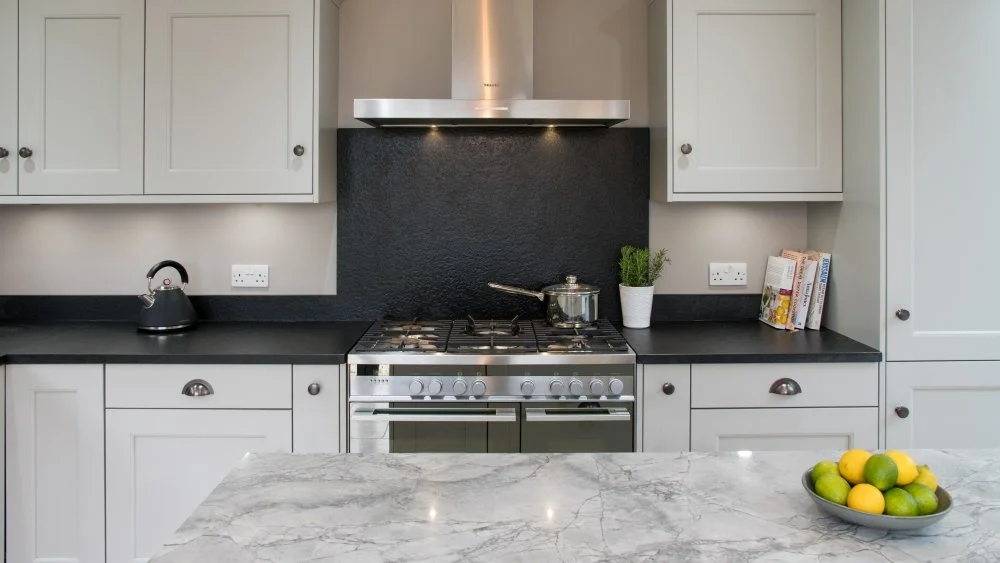
One of the most common questions we hear is, “Should I choose granite or quartz?” The reality is there is no one-size-fits-all answer. Both materials have their own strengths, and the right choice will depend on your design, your lifestyle, and what matters most to you day to day. This guide gives you a clear and honest overview of both.
Granite is a natural stone that has formed over millions of years and is quarried from the earth in large blocks before being cut into slabs. Because it is completely natural, no two pieces are ever identical. This means every installation is unique, with variations in pattern, movement and colour that cannot be replicated.
Quartz, on the other hand, is an engineered material made from approximately 93% natural quartz, combined with resins and pigments. This manufacturing process allows for greater control over the final appearance, resulting in a more consistent and uniform finish. It also means quartz is available in a wide range of colours and styles, including designs that replicate the look of marble.
Choosing the right look
Your worktop plays a key role in the overall feel of your kitchen. Granite is often chosen for its natural variation and character, while quartz tends to suit more contemporary designs where consistency and clean lines are preferred. Neither is better than the other. It simply comes down to the style you are trying to achieve.
Quartz worktops
Quartz is a popular choice because it is highly durable, stain-resistant and easy to maintain. Its flexibility during fabrication also makes it well suited to longer runs and more intricate cut-outs, such as sinks and hobs.
It is worth being aware that quartz is not resistant to very high heat and can be damaged by hot pans if placed directly on the surface. It is also not recommended for outdoor use, as prolonged exposure to sunlight can cause discolouration over time.
Granite worktops
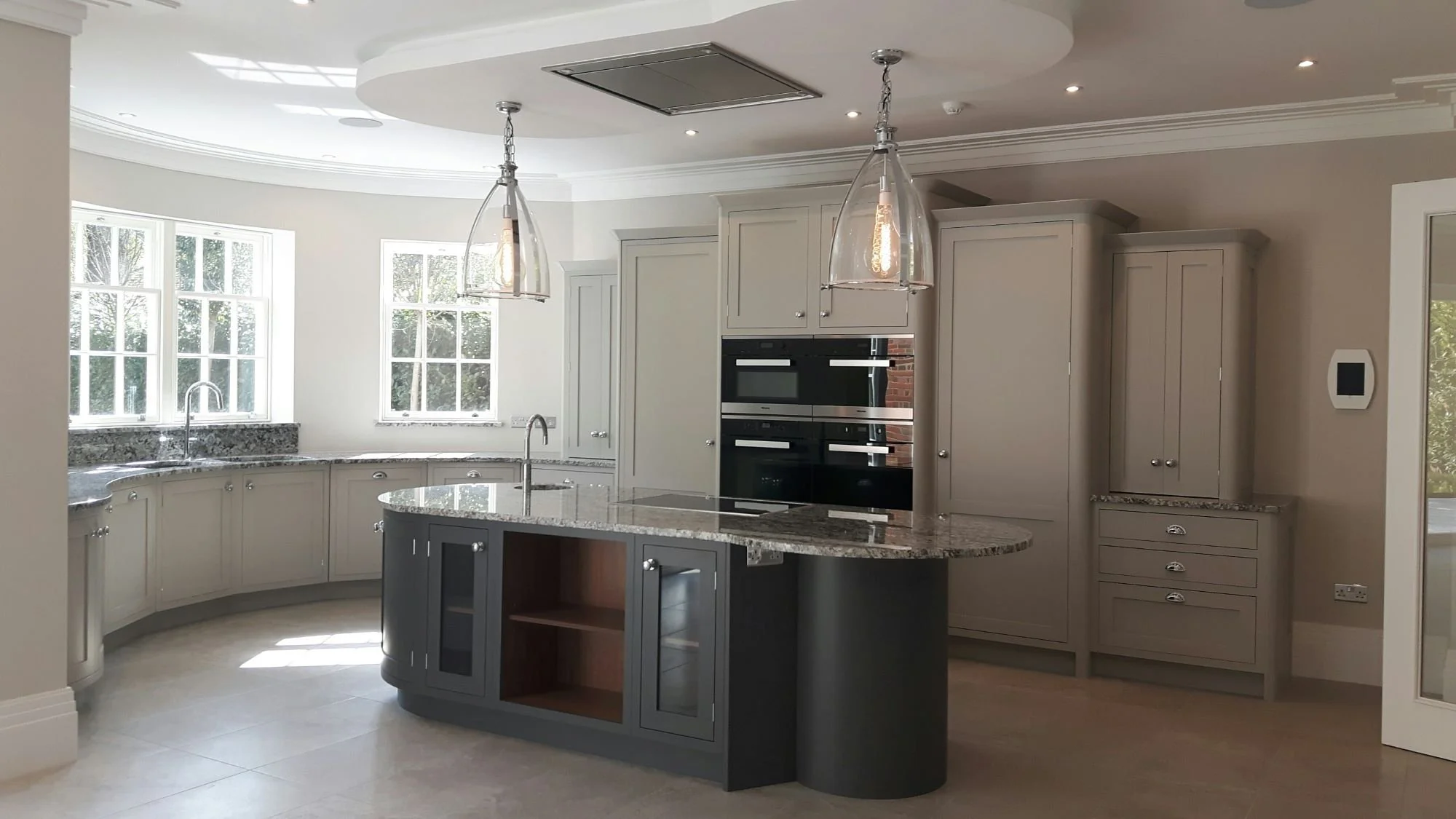
Granite offers a different appeal, with its one-of-a-kind natural patterns and ability to handle heat better than quartz. It is also often available in larger slab sizes, which can be beneficial for bigger kitchens or island features, and it can be used outdoors.
Because granite is a natural material, it can include variations, markings or fissures that are part of the stone itself. Granite also requires sealing to maintain its performance, and small samples may not fully represent the full slab you will receive.
Durability and maintenance
In terms of durability, both granite and quartz are designed to last. Quartz is non-porous and generally lower maintenance, while granite, when properly sealed, is equally hard-wearing. Both materials are resistant to scratches and chips under normal day-to-day use and, with the right care, will perform well for many years.
Cost considerations
Cost is another important factor to consider. Worktops are typically priced in bands depending on the material and finish. While granite is often more cost-effective overall, this is not always the case, as premium granites can exceed the price of entry-level quartz.
The final cost will also depend on the size of your kitchen, the number of slabs required, and the complexity of the design. In most cases, it makes sense to choose the style you prefer first and then work within your budget to find the right option.
Final thoughts
Ultimately, there is no right or wrong choice. Granite offers a natural, individual finish, while quartz provides consistency and versatility. Both materials deliver strength, longevity and a high-end look when installed properly.
The most important thing is choosing a worktop that suits your space, your lifestyle and how you use your kitchen every day.